A Podcast Exploring the Wit and Weirdness of Medieval Texts

Category: News (Page 1 of 2)

Learn with me this October online with Enclosure Academy!

Illustration of a Phoenix from British Library, MS Harley 4751, fol. 45r.

“Survivors at the End of Their Worlds: Voices from the Exeter Book and Other Apocalypses”

Online class, Tuesdays, 7-9pm Central Daylight Time (UTC-5)
[Updated Schedule:] Oct. 6 – 27, 2026

This course will explore the remarkable medieval survivor that is the Exeter Book, a thousand-year-old, scarred manuscript that contains the only known copies of the so-called Old English Elegies. The speakers in these poems express each in their own way feelings of being alone in a world breaking apart. Through these poems, we will introduce the formal features and cultural context of Old English poetry (in translation, but with reference to the original language). We will consider their apocalyptic anxieties alongside those of later medieval mystics, modern poets, a third-generation clone from 200 years in the future, and, of course, ourselves.

The course fee is $395 (fee reductions are negotiable with Enclosure Academy for students or others with financial need, and discounts are available for early registration).

More info at the Enclosure Group: https://theenclosuregroup.wordpress.com/posts/

And their Instagram posts: https://www.instagram.com/enclosedwithin/#

For registration or other inquiries, email Enclosure Academy at enclosure@enclosureacademy.com.

Prospective Syllabus for the course (subject to change):

Survivors at the End of Their Worlds:
Voices from the Exeter Book and Other Apocalypses

“Þæs oferēode,      þisses swā mæg.” [That passed away, and so may this.]
—from the Exter Book, Deor

“It’s the end of the world as we know it, and I feel fine.”
—R.E.M.

This course will explore the remarkable medieval survivor that is the Exeter Book, a thousand-year-old, scarred manuscript that contains the only known copies of the so-called Old English Elegies. The speakers in these poems express each in their own way feelings of being alone in a world breaking apart. Through these poems, we will introduce the formal features and cultural context of Old English poetry (in translation, but with reference to the original language). We will consider their apocalyptic anxieties alongside those of later medieval mystics, modern poets, a third-generation clone from 200 years in the future, and, of course, ourselves.

Required Text:

Hamer, Richard, editor. A Choice of Anglo-Saxon Verse. Faber & Faber, 2016.
ISBN-10: 0571325394 (paperback), 0571087646 (hardcover)
(Kindle edition also available and usable, though it may make comparisons with the original Old English lines less convenient.)

Additional readings will be made available through links to versions posted online or by PDFs provided by email and in our class Google Drive resources.

Collection Commonplaces:

Starting with the readings for Week 2, you should begin building a collection of items that strike you as you read through the selections. These could be specific words that seem significant or strange, individual lines or sentences that linger or puzzle, and/or concepts and themes that you notice emerging as you read. Copy each item down into your preferred note-taking system (notepad, notebook, cards, app); collect at least three items (preferably several more than that). Then of all the items you’ve added to your collection for that session, pick three and for each one, write out a brief observation about why you collected that item. Then jot down a connection you can make between that item and one of the other readings — or any other media or culture that it resonates with for you. I’ll be looking for people to share some of the items in the collections during our discussions.

Schedule: (ASV refers to the required text, A Choice of Anglo-Saxon Verse; other readings will be provided.)

Week 1 (10/6): Introduction to the Exeter Book
Readings: Wulfstan, Sermo Lupi ad Anglos; “Fortunes of Men”; “The Ruin” (ASV); Özge Lena, “Writing Poems in the Middle of a Catastrophe”

Week 2 (10/13): The Lonely Road
Readings: “The Wanderer” (ASV); “The Seafarer” (ASV); “Deor” (ASV); Claire Colebrook, “End Times for Humanity”; C. K. Williams, “Tar”

Week 3 (10/20): Love’s Exiles
Readings: “The Wife’s Lament” (ASV); “The Husband’s Message” (ASV); “Wulf and Eadwacer” (ASV); Hadewijch of Brabant, “The omens make very clear to us”; Kyla Guimaraes, “The Apocalypse Is Almost Here, So We Do the Dishes”

Week 4 (10/27): Fearsome Futures
Readings: “The Whale” (ASV); “Fates of the Apostles” (ASV); Jane Hirshfield, “Let Them Not Say”; Rachael Lin Wheeler, “Field Notes on Living, Perpetually, on the Brink of Tragedy”; Douglas Adams, “Sifting Through the Embers”; Don Hertzfeldt, World of Tomorrow

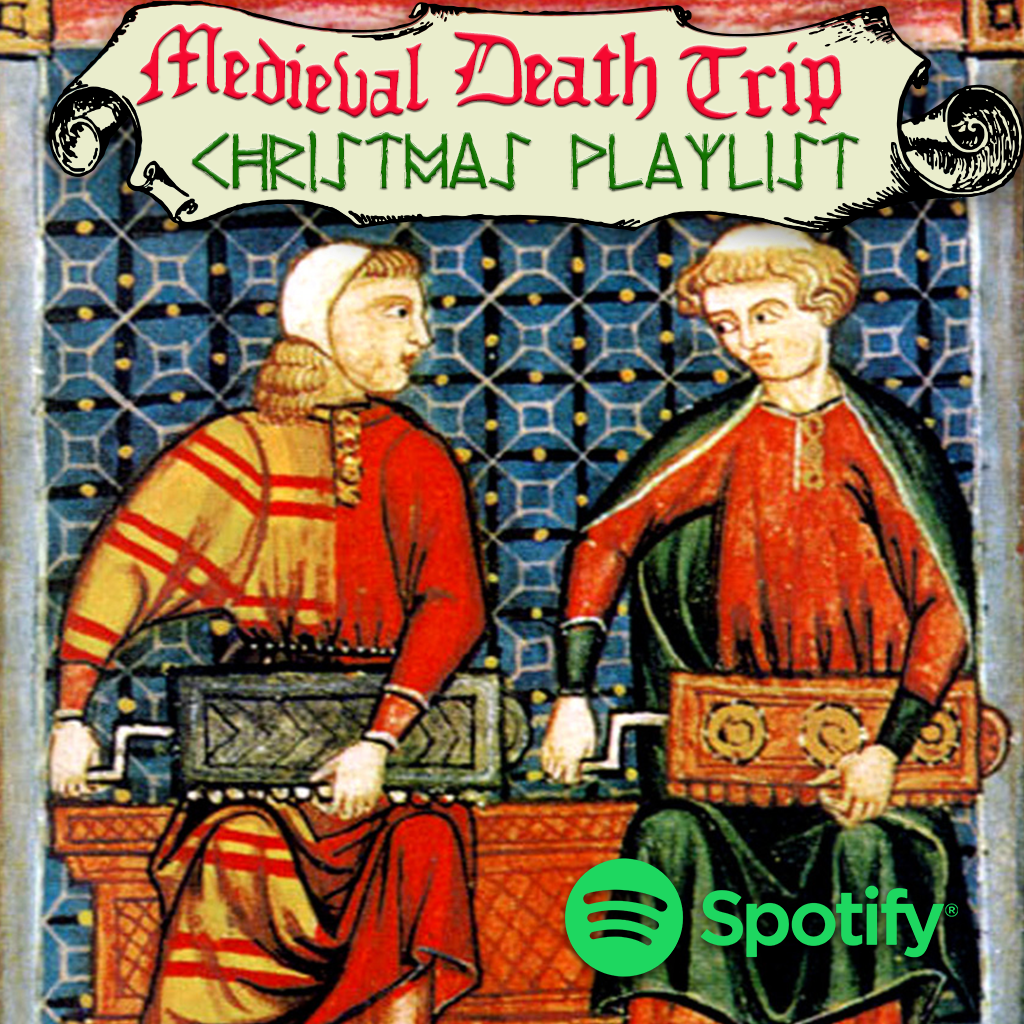
Medieval Death Trip’s Christmas Playlist

Image of two hurdy-gurdy players from

If you’re looking to get in a medievalish Christmas mood, check out the “MDT Christmas” playlist on Spotify: https://open.spotify.com/playlist/5EmlXCdeLV3HPmspb0I9AX?si=306a5306cd9e401e

The playlist features both authentic medieval tunes as well as pieces that feel medieval in spirit.

Note: I have actually curated and organized the playlist as a sequence, which helps avoid repeats. Shuffle it at your own risk (of hearing “Coventry Carol” five times in a row).

Image: detail of two hurdy-gurdy players from El Escorial Ms. T.j.I, f.160.

Feed Update Announcement

Listeners! This weekend (Feb. 9-10) I’ll be updating many of the descriptions and tags on old episodes in our podcast RSS feed. There is a possibility that some podcast manager apps (especially iTunes) will interpret these changes as a whole lot of new episodes being posted and may try to download them all.

As a precaution to save bandwidth, you might go to your settings for this podcast in your podcast listening app and set it to download only the most recent episodes so that you don’t end up getting duplicates of the whole back catalogue.

Support us on Patreon and get the Wonders of the East!

You can now help support Medieval Death Trip through becoming a patron of us on Patreon. For as little as $1 (U.S.) a month, you’ll not only be helping to make the show possible, but you’ll also get an audiobook copy of the Mirabilia Descripta, or Wonders of the East by Jordanus, the 14th-century bishop of Columbum in India (and translated by Col. Henry Yule, whose extensive footnotes provide a whole second historical text providing a 19th-century British perspective on India).

To learn more, visit http://www.patreon.com/mdtpodcast/

Episode 9 coming soon!

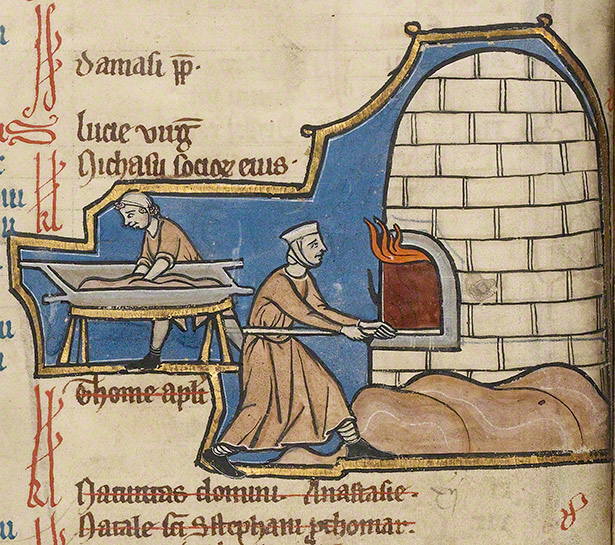
Getty MS 14 fol. 8vEpisode 9 of Medieval Death Trip is currently still baking — it’s still a bit gooey in the middle, but it will be out of the oven and on your podcast player very soon!
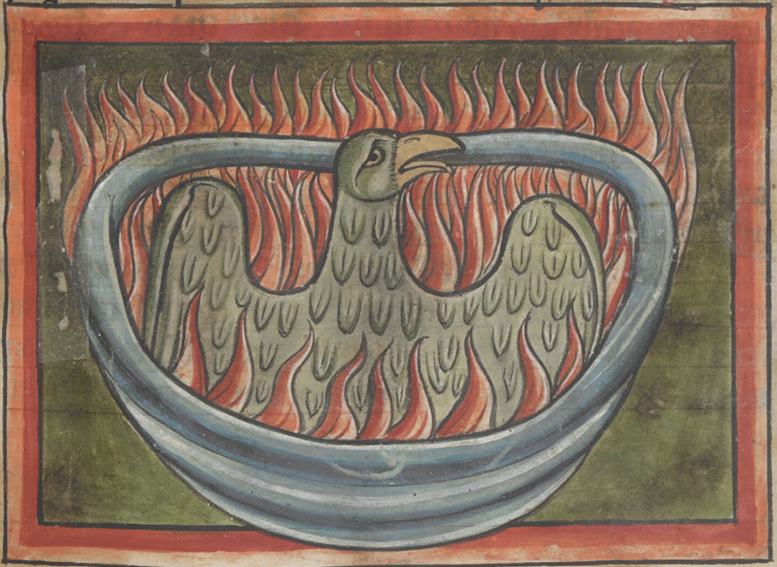
 

Image: J. Paul Getty Library MS 14, fol. 8v.

« Older posts

© 2026 Medieval Death Trip

Theme by Anders NorenUp ↑